Skip to content
For gas or electrical safety concerns, follow local emergency guidance and contact the relevant emergency service where needed.Open a non-urgent service note

Home systems desk

A clear note for the things that keep home moving.

Qenudari is an informational repair-service concept for refrigerators, boilers, stoves and gas water heaters. We help make the first non-urgent description more useful: what you noticed, what changed and what a service professional may need to understand.
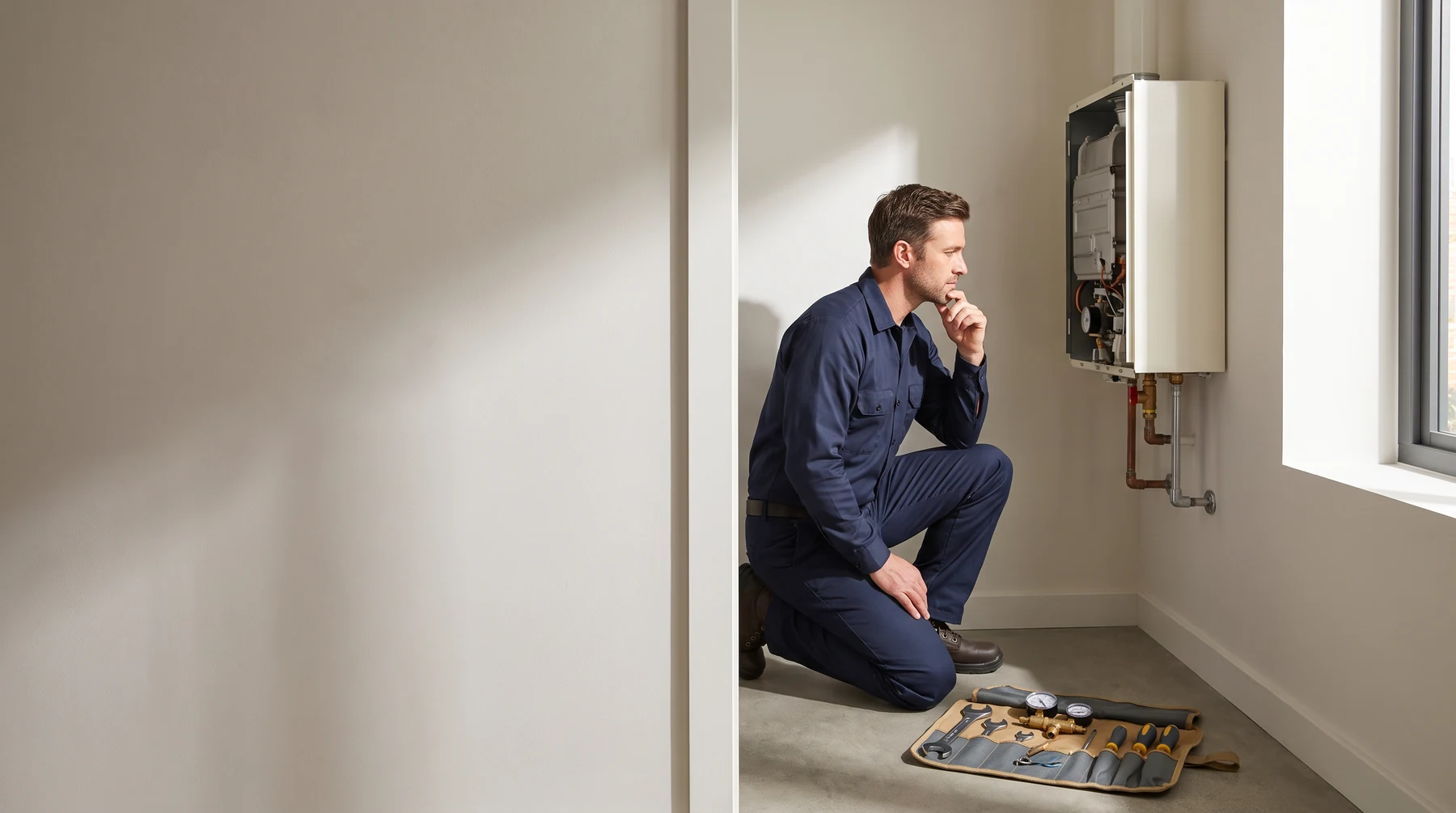
Technician assessing a wall-mounted home system
Start with conditions.Tell the next person what changed, when you noticed it and what is safe to observe.
01Fridge & cold
02Cooking & stoves
03Boilers & water
04Care notes

01 / Service desk

Name the system, then name the change.

An appliance label is useful, but it is rarely the whole story. Choose a desk card to see the kind of context that can make a repair conversation less vague. This is not a diagnostic tool and does not replace safety guidance.

Context card / Fridge & cold

What changed around the cooling routine?

A useful service note can include when the change was first noticed, whether it is consistent or intermittent, and any ordinary conditions around the appliance. Do not try to disassemble or repair a system yourself in order to write the note.

Safe prompt: describe the symptom and its timing, not a home-made diagnosis.

02 / Safe framing

A calm request is not the same as a risky inspection.

Qenudari does not provide instructions for DIY repairs to gas, electrical or pressurised systems. When a situation could involve immediate safety risk, pause and use appropriate local emergency guidance instead of relying on a website form.

  1. 01
    Stay within the ordinary.

    Share what you can notice without opening equipment, removing safety covers or changing connections.

  2. 02
    Keep the condition specific.

    Describe timing, sounds, cooling or heating behaviour and any visible non-sensitive context in plain language.

  3. 03
    Use emergency guidance when relevant.

    A website is not an emergency channel. Follow local safety advice if there is an immediate concern.

03 / Worktable

The home system is more than the appliance in the middle.

A service visit begins with the setting: a kitchen routine, a utility cupboard, a shared household or a change that only appears at a particular time. These images keep the context in view.
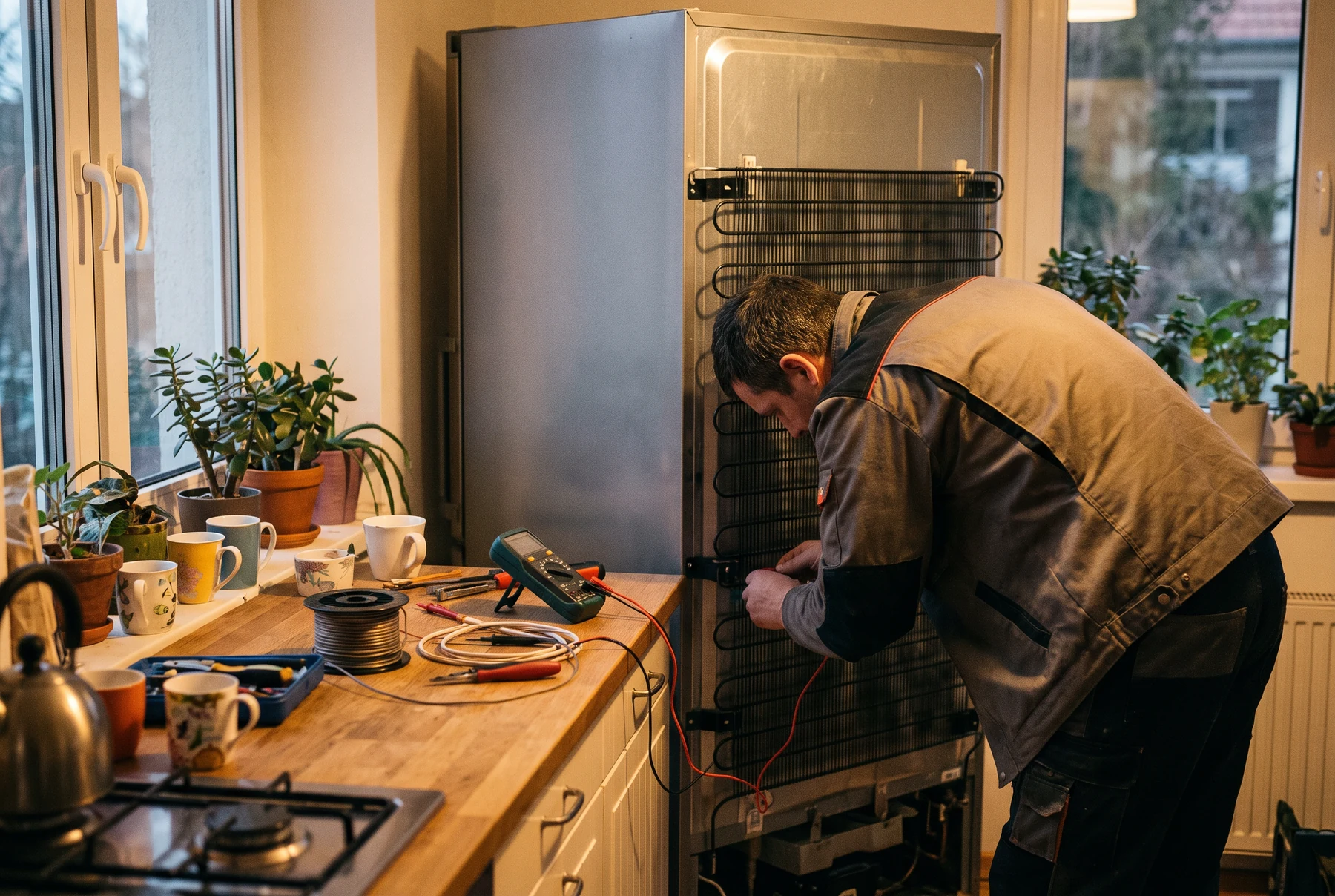
Technician reviewing a refrigerator in a kitchen
Worktable 01Cold systems in the home
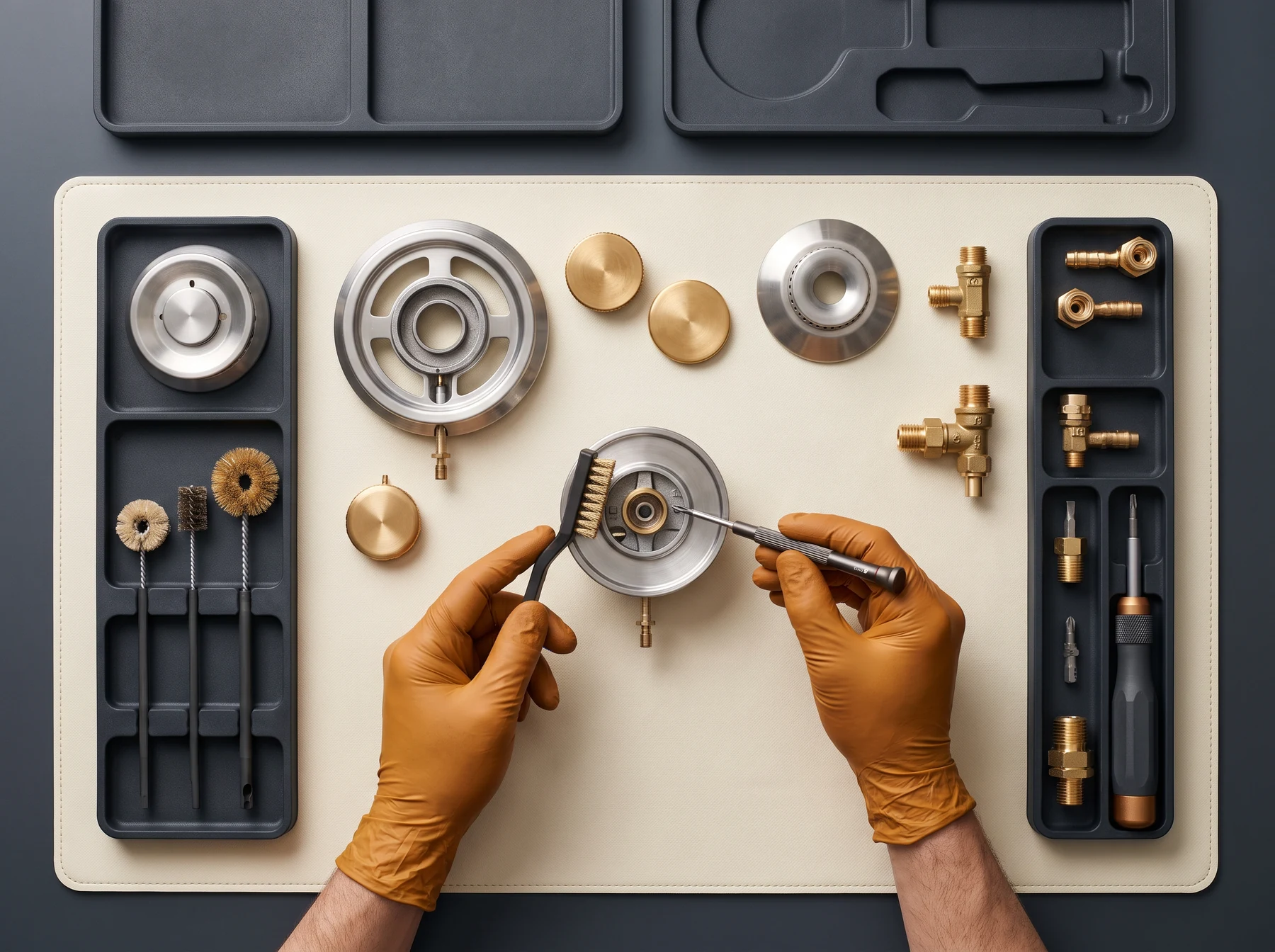
Organised appliance parts and tools
Worktable 02Parts need a clear record
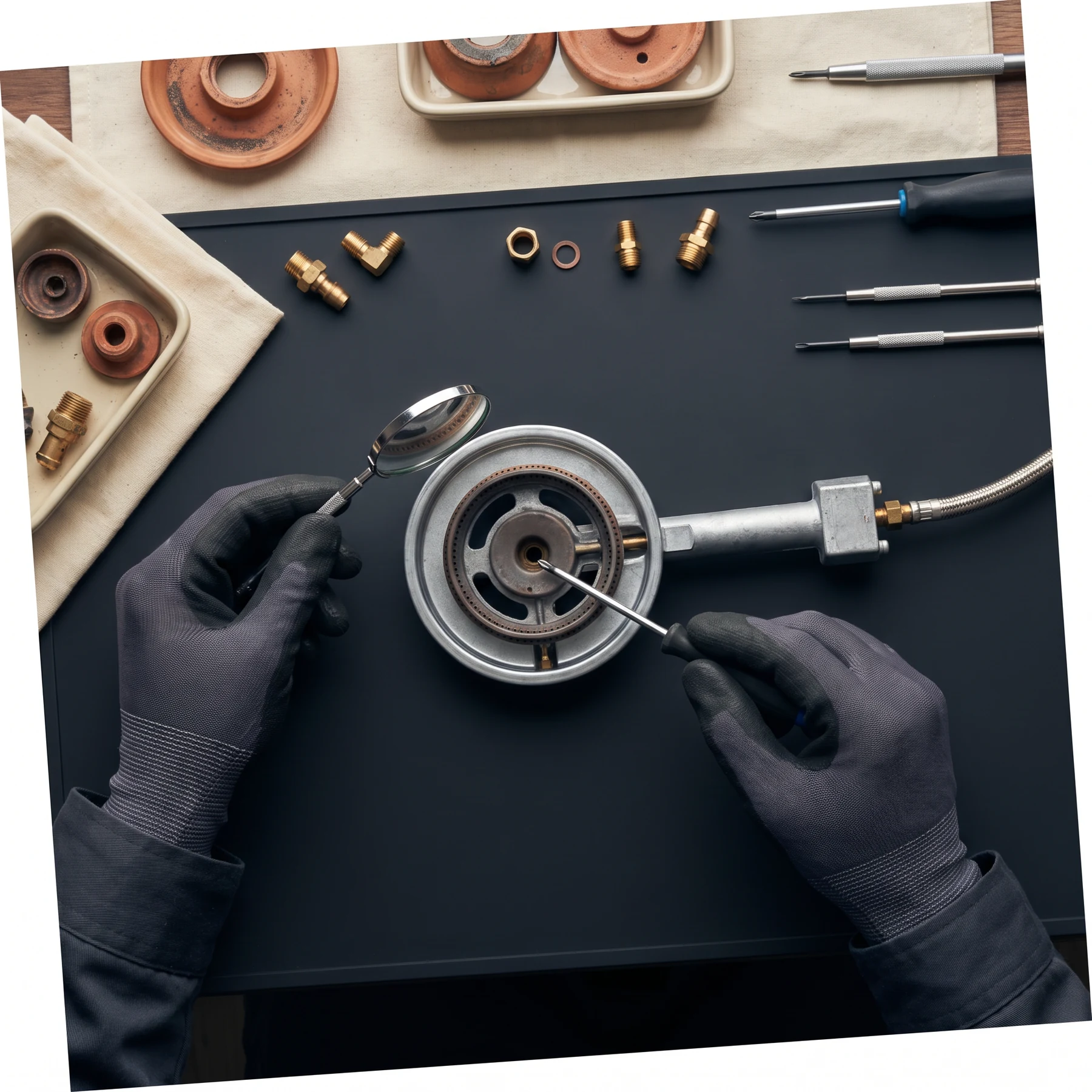
Hands examining a stove burner part on a work surface
Worktable 03Cooking systems deserve care
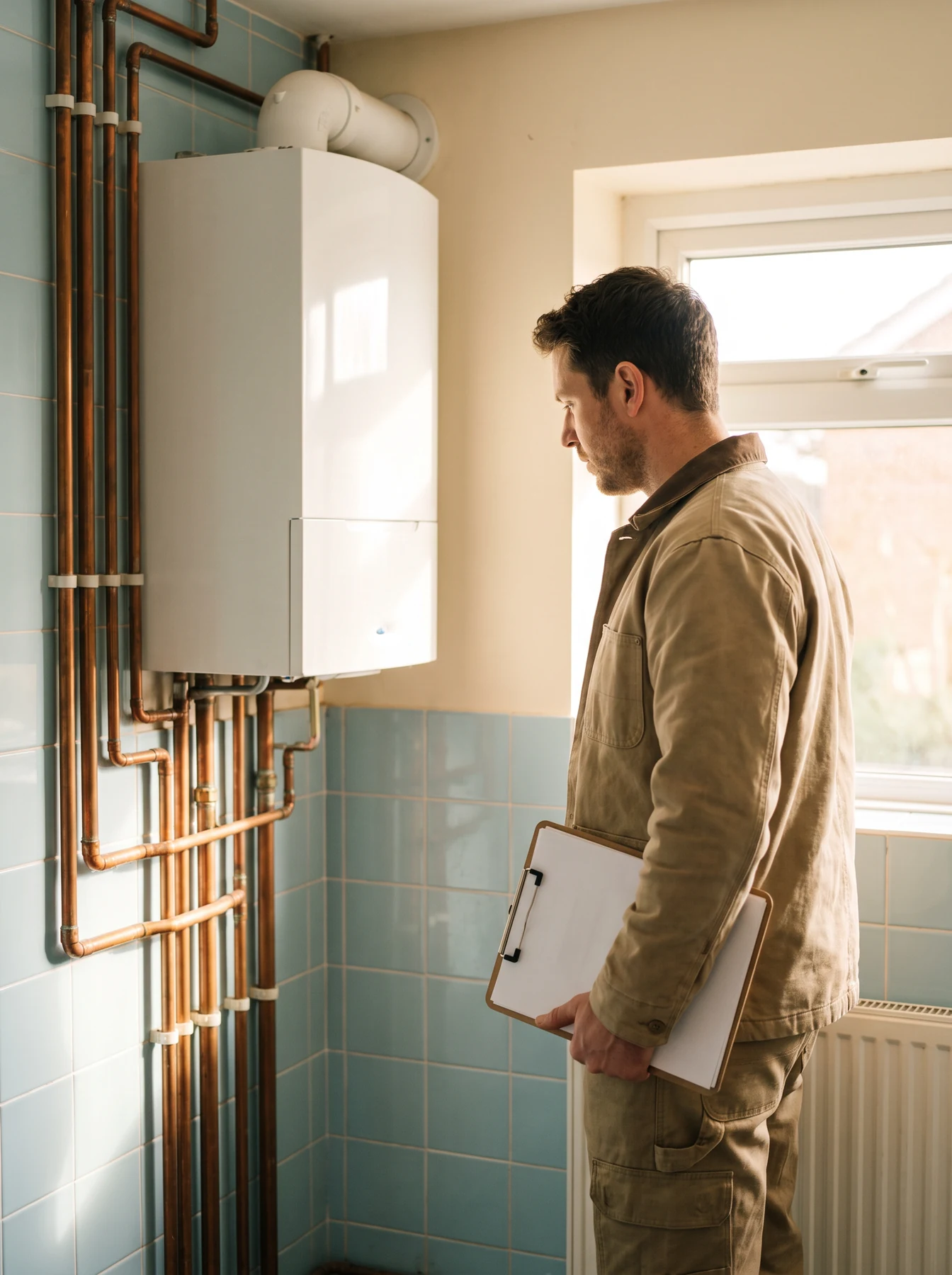
Technician standing near a boiler in a utility room
Worktable 04Keep the utility room context

04 / Visit ledger

A service request can carry a useful record forward.

1

Capture the change.

Use ordinary language to describe what you noticed and when it began, without drawing your own technical conclusion.

2

Keep the setting.

Say which system is involved and whether a routine, season or other condition seems connected to the change.

3

Leave an open edge.

Record the unanswered part as a question for a suitable service professional, rather than filling the gap with a guess.

05 / Home care shelf

A maintenance note should make the household more observant, not more anxious.

Noticing

Keep the date.

A time marker can be more useful than a dramatic description. It gives a service conversation somewhere concrete to start.

Describing

Use plain words.

Say what the system does, not what you think is broken. Clear observation travels farther than a guessed cause.

Handing off

Know the boundary.

Give a qualified professional the conditions and questions, then follow their specific safety and repair guidance.
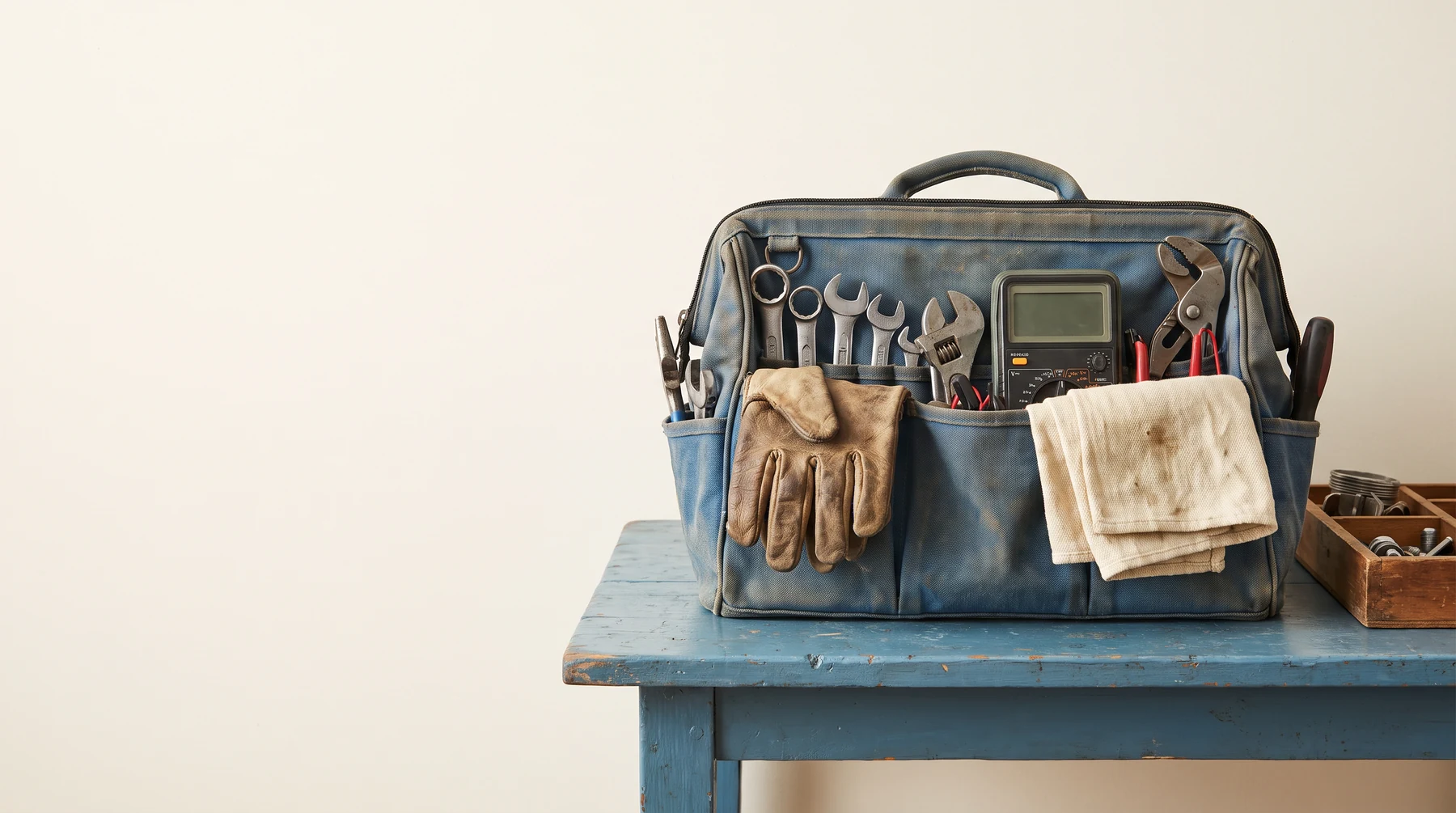
Service tote containing home appliance repair tools

06 / The preparation shelf

Prepare a question, not a repair plan.

Before a non-urgent conversation, it can help to have the appliance make and model available, the change you noticed and the safe-to-observe context around it. Avoid sharing personal payment details or trying to access protected components.

That preparation does not confirm a fault or determine a remedy. It simply gives the next person a better starting place.

Write a service note

07 / Questions

Useful boundaries around a household repair request.

No. This informational website is not an emergency channel and does not provide step-by-step instructions for gas, electrical, pressurised or appliance repairs. If there is an immediate safety concern, use the relevant local emergency guidance. For non-urgent issues, a suitable qualified professional can advise after considering the equipment and conditions directly.

No. Qenudari is an informational site. It does not offer a booking flow, checkout, paid consultation, subscription, repair order or payment collection. The form is a browser-only demonstration and does not send your information. Any future service arrangement would need to be discussed and documented separately.

Start with the system involved, when the change began and what can be noticed safely without opening equipment or altering connections. Photos or model details may be relevant only when a professional requests them. Avoid sharing unnecessary personal, financial or security information in an ordinary email inquiry.

Home systems depend on equipment condition, installation context and safety checks that cannot be established from a website description. Treating a short message as a diagnosis could be misleading. Qenudari therefore focuses on helping people describe a situation clearly while leaving technical assessment and safety decisions to the appropriate qualified professional.

08 / Service note

Give the next person a clearer starting point.

This form is a browser-only example. It does not schedule a repair or send a message. For a non-urgent general inquiry, use [email protected].

Service note staged in this browser only. No message was sent, booking created or payment taken. Contact [email protected] for a non-urgent general inquiry.